


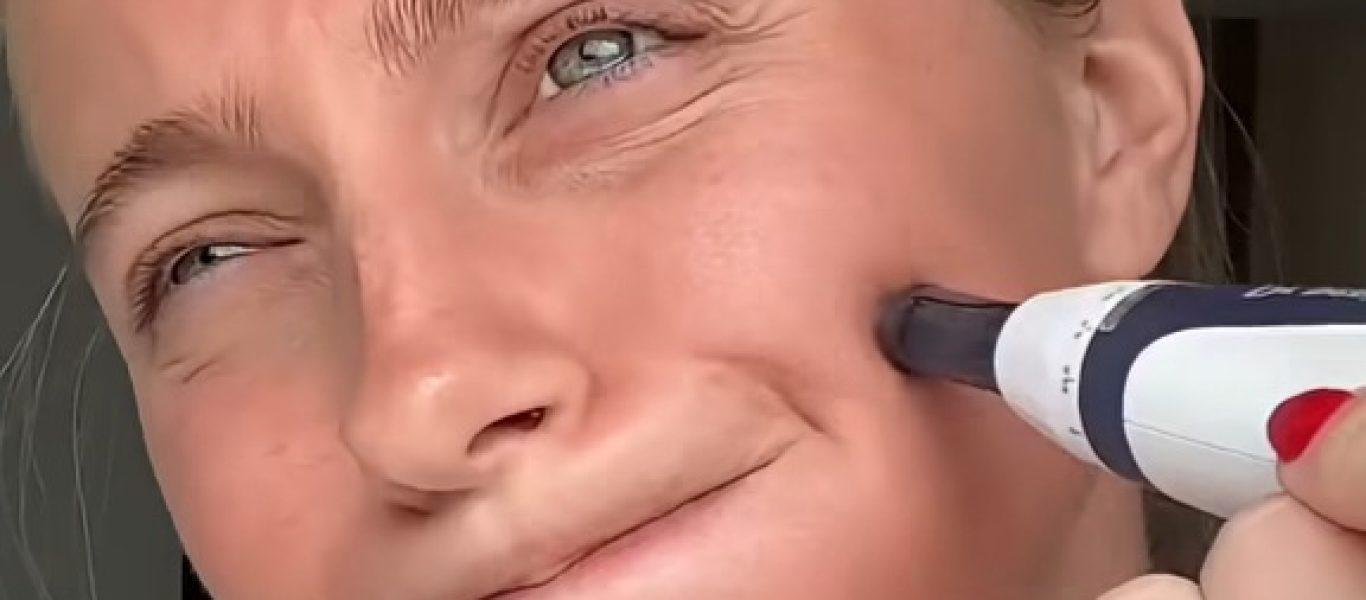
If you’re considering microneedling, one of the first questions you probably have is: does microneedling hurt?
The honest answer is that microneedling can feel uncomfortable, but most people do not consider it severely painful. The sensation is commonly described as light scratching, tiny pinpricks, tingling, or a sandpaper-like feeling across the skin. Professional treatments usually include a topical numbing cream that significantly reduces discomfort.
Microneedling, also known as collagen induction therapy, creates controlled micro-injuries in the skin using sterile fine needles. These tiny punctures stimulate fibroblasts, collagen production, elastin synthesis, and the skin’s natural healing response.
For a full introduction to the procedure, read What Is Microneedling? Benefits, Procedure & Cost Explained.
Does Microneedling Actually Hurt or Is It Just Uncomfortable?
For most patients, microneedling feels more uncomfortable than truly painful.

The treatment involves hundreds of tiny needle punctures entering the epidermis and dermis. Because these punctures are controlled and extremely fine, the discomfort is usually manageable.
Many patients describe the sensation as:
- Mild scratching
- Tingling
- Vibrating prickles
- Tightness
- Light stinging
Pain levels vary depending on:
- Needle depth
- Treatment area
- Skin sensitivity
- RF microneedling settings
- Practitioner technique
- Individual pain tolerance
Professional microneedling treatments typically use numbing cream, which lowers pain significantly. Most patients rate the discomfort around 2–4 out of 10 after numbing.
What Does Microneedling Feel Like?
Tingling and Prickling Sensation
As the microneedling device moves across your skin, you may feel tiny prickling sensations from the sterile needle tips creating microchannels.
The feeling is usually strongest on thinner or bony areas of the face.
Scratching or Sandpaper-Like Feeling
Many people compare microneedling to:
- Fine sandpaper rubbing the skin
- Cat scratches
- Electric toothbrush vibrations with pressure
Automated devices like Dermapen or SkinPen create rapid punctures that often feel less aggressive than manual dermarollers.

Warmth and Tightness During Treatment
As collagen induction begins, your skin may feel warm, tight, sensitive, and slightly inflamed.
This happens because the body immediately activates the wound-healing cascade and releases growth factors such as TGF-β and PDGF.
To understand the science behind collagen stimulation, read How Microneedling Works: Science of Collagen Stimulation.
Mild Sunburn Sensation After Treatment
After the numbing cream wears off, many people say their skin feels similar to a mild sunburn.
- Tightness
- Warmth
- Mild tenderness
- Redness
- Dryness
These side effects are temporary and usually improve within 24–72 hours.
For detailed healing guidance, read Recovery After Micro Needling: Essential Tips.
Does Face Microneedling Hurt More in Certain Areas?
Yes. Some parts of the face are naturally more sensitive because the skin is thinner or located closer to bone.
Forehead Sensitivity
The forehead is one of the most uncomfortable areas because there is less fat cushioning beneath the skin.
Under-Eye Area Discomfort
The under-eye region contains very delicate skin and can feel more sensitive during treatment.
Nose and Upper Lip Pain
The nose and upper lip tend to feel more intense due to higher nerve density and thinner skin.
Cheeks vs Bony Areas
The cheeks are usually easier to tolerate because they contain more soft tissue beneath the skin.
What Factors Affect Microneedling Pain?
Needle Depth
Shallow cosmetic treatments generally feel mild, while deeper treatments for acne scars or stretch marks are more intense. There is a research on microneedle design linked to pain in humans.
Skin Sensitivity
Sensitive skin types may react more strongly to needle penetration, redness, and inflammation.
Pain Tolerance
Everyone experiences pain differently. Some people barely notice the treatment, while others find deeper sessions uncomfortable.
RF Microneedling vs Traditional Microneedling
RF microneedling usually feels stronger because it combines needle penetration with radiofrequency heat energy.
Practitioner Technique
An experienced provider can improve comfort by adjusting needle depth correctly and using proper numbing techniques.
Does Numbing Cream Make Microneedling Painless?
How Topical Anesthetics Work
Most clinics apply topical anesthetics containing lidocaine or benzocaine before treatment to temporarily block nerve signals.
Pain Levels With Numbing Cream
With numbing cream, microneedling is usually very tolerable. Many patients mainly feel pressure and vibration rather than sharp pain.
Pain Without Numbing Cream
Without numbing cream, microneedling can feel significantly more intense, especially during deep acne scar treatments or RF microneedling.
Is RF Microneedling More Painful?
Heat and Needle Combination
RF devices deliver radiofrequency energy into deeper skin layers while the needles penetrate the skin, creating additional heat sensation.
Deeper Skin Penetration
RF treatments often target deeper dermal layers to improve wrinkles, acne scars, and loose skin.
Recovery Sensation After RF Microneedling
Recovery after RF microneedling may involve more redness, swelling, and tightness compared to traditional microneedling.
What Pain Level Do Most People Rate Microneedling?
Most professional microneedling treatments are rated around:
- 2–4/10 with numbing cream
- 5–7/10 without numbing cream
Acne scar treatments generally feel stronger than superficial glow-focused sessions.
Does Microneedling Hurt More After the Procedure?
Redness and Tightness
Immediately afterward, the skin usually appears red, flushed, tight, and warm.
Tenderness and Sensitivity
Some people experience mild soreness, increased sensitivity, temporary dryness, and light itching.
How Long Discomfort Lasts
Most discomfort fades within 24–48 hours for mild treatments and up to 4 days for deeper RF sessions.
For a full treatment walkthrough, read Micro Needling Procedure: What to Expect & How It Works.
How to Reduce Microneedling Pain
- Use professional numbing cream
- Avoid retinoids before treatment
- Stay hydrated
- Choose an experienced provider
- Follow proper aftercare
Good aftercare reduces irritation, inflammation, and recovery discomfort.
To learn who should avoid the treatment, read Good Candidate for Microneedling? Skin Types & Risks.
Who May Experience More Pain During Microneedling?
Sensitive Skin Types
Reactive skin may experience stronger redness and irritation after treatment.
Active Acne or Inflamed Skin
Microneedling over inflamed acne can increase discomfort and sensitivity.
Low Pain Tolerance
People with lower pain tolerance may perceive deeper treatments as more uncomfortable.
Deep Needle Treatments
Treatments targeting acne scars, stretch marks, and deep wrinkles usually require longer needle depths and greater collagen stimulation.
Does At-Home Microneedling Hurt?
Dermaroller Sensation
At-home dermarollers can still cause discomfort, especially if excessive pressure is used.
Home Devices vs Professional Treatments
Professional treatments use better devices, controlled depths, and sterile techniques for safer results.
Safety and Pain Risks
Improper at-home microneedling may increase the risk of infection, irritation, and skin barrier damage.
Final Verdict: Does Microneedling Hurt?
Microneedling is not completely painless, but most people find it manageable — especially with numbing cream.
The sensation is usually described as mild scratching, tiny pinpricks, tingling, and temporary tightness.
For most patients, the temporary discomfort is worth the benefits, including smoother texture, collagen stimulation, acne scar improvement, brighter skin, and reduced fine lines.
If you want to compare microneedling with other skin treatments, read Microneedling vs Laser, Chemical Peels & Fillers.